Understanding the Hamstring Muscles
The hamstring muscles are a crucial part of the posterior chain, playing a major role in movement, stability, and athletic performance. Located on the back of the thigh, these muscles are heavily involved in activities like walking, running, and bending the knee. Despite their importance, they are often undertrained or improperly trained compared to the quadriceps.
When the hamstring muscles are weak or imbalanced, it can lead to poor movement mechanics, decreased performance, and a higher risk of injury. By understanding how these muscles function and how to strengthen them properly, you can improve overall lower body strength, reduce strain on other joints, and move more efficiently.
What Are the Hamstring Muscles?
The hamstring muscles are a group of three muscles located along the back of the thigh. Their primary functions are to bend (flex) the knee and extend the hip, making them essential for both everyday movements and athletic activities.
The hamstring muscles also play an important role in deceleration, helping control movement when you slow down, land from a jump, or change direction.
Muscles That Make Up the Hamstring Muscles
The hamstring muscles consist of three primary muscles.
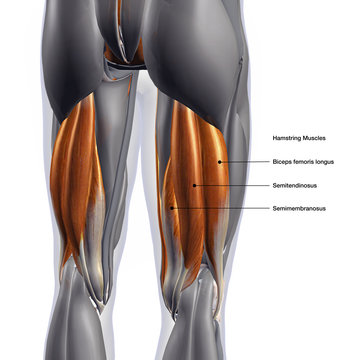
Biceps femoris
This muscle has two heads (long and short) and is located on the outer portion of the back of the thigh. It helps with knee flexion, hip extension, and external rotation of the leg.
Semitendinosus
Found along the inner back portion of the thigh, this muscle assists with knee flexion and hip extension. It also contributes to internal rotation of the leg and plays a role in stabilizing the knee.
Semimembranosus
Located deeper and slightly wider than the semitendinosus, this muscle supports similar actions, including knee flexion and hip extension. It also helps stabilize the pelvis and knee during movement.
Primary Functions of the Hamstring Muscles
The hamstring muscles are responsible for several essential functions:
- Knee flexion (bending the knee)
- Hip extension (driving the leg backward)
- Deceleration and control (slowing the leg during movement)
- Pelvic stabilization (supporting proper posture and alignment)
Strong hamstring muscles are key for balance, coordination, and injury prevention.
What Hamstring Dysfunction Looks Like
When the hamstring muscles are weak, tight, or imbalanced, you may notice:
- Tightness or stiffness in the back of the thigh
- Increased risk of strains or pulls
- Lower back discomfort due to poor pelvic positioning
- Reduced stride length or running efficiency
- Overreliance on the quadriceps
Dysfunction in the hamstring muscles often leads to compensation patterns that affect overall movement quality.
Best Home Exercises for Strengthening the Hamstring Muscles
You can effectively train the hamstring muscles at home with these exercises.
Glute Bridges
Lie on your back with knees bent and feet flat on the floor. Drive through your heels to lift your hips up, squeezing your glutes and engaging the hamstring muscles, then lower slowly.
Single-Leg Romanian Deadlifts (Bodyweight)
Stand on one leg and hinge at the hips while extending the other leg behind you. Keep your back flat and return to standing by driving through the grounded leg.
Hamstring Walkouts
Start in a glute bridge position, then slowly walk your heels away from your body while keeping your hips lifted. Walk them back in to return to the starting position.
Stability Ball Hamstring Curls (or sliders/towels)
Lie on your back with your heels on a ball or sliders. Lift your hips and pull your heels toward you, then extend them back out with control.
Best Gym Exercises for Strengthening the Hamstring Muscles
In the gym, you can progressively load the hamstring muscles for greater strength gains.
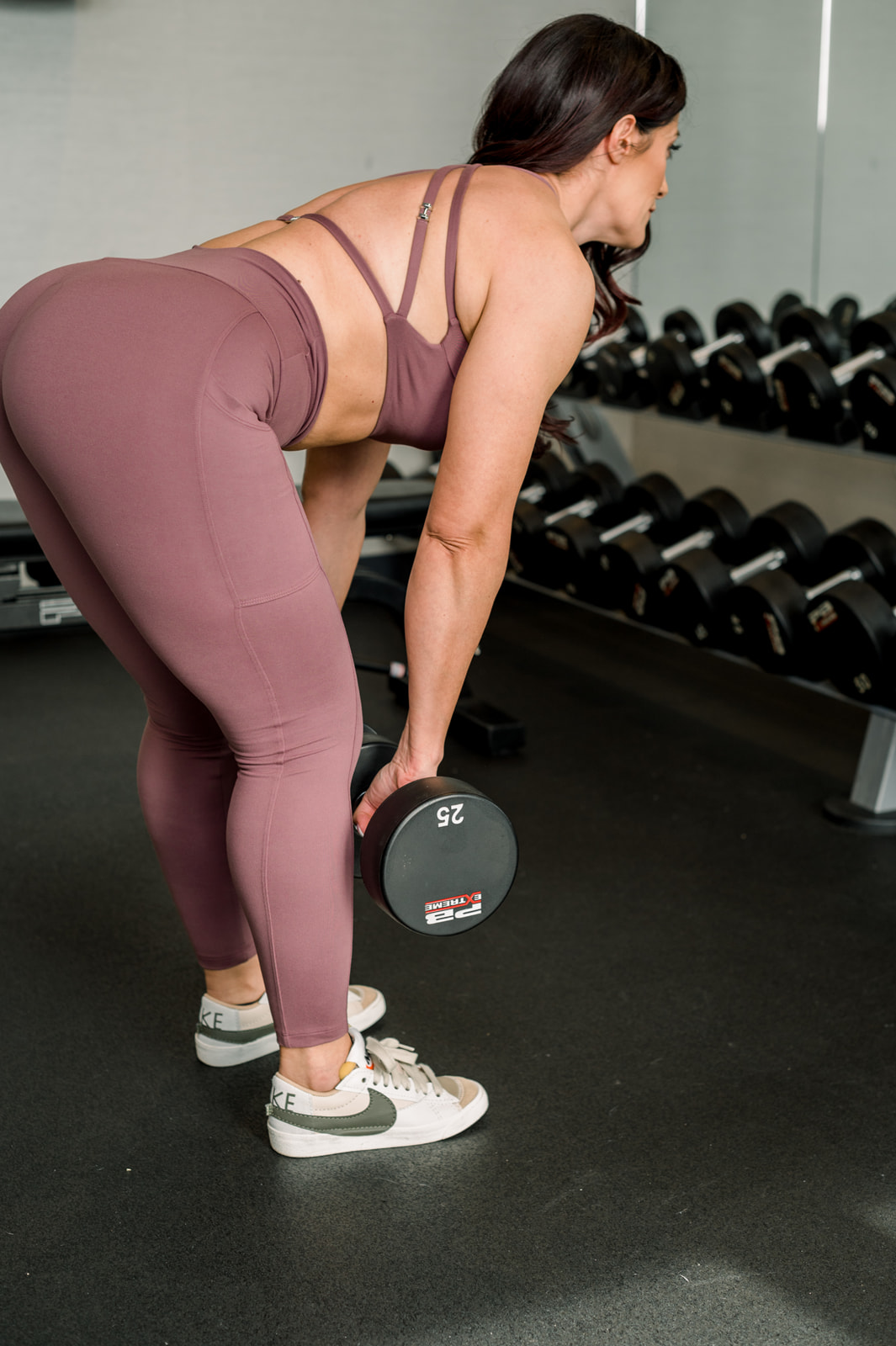
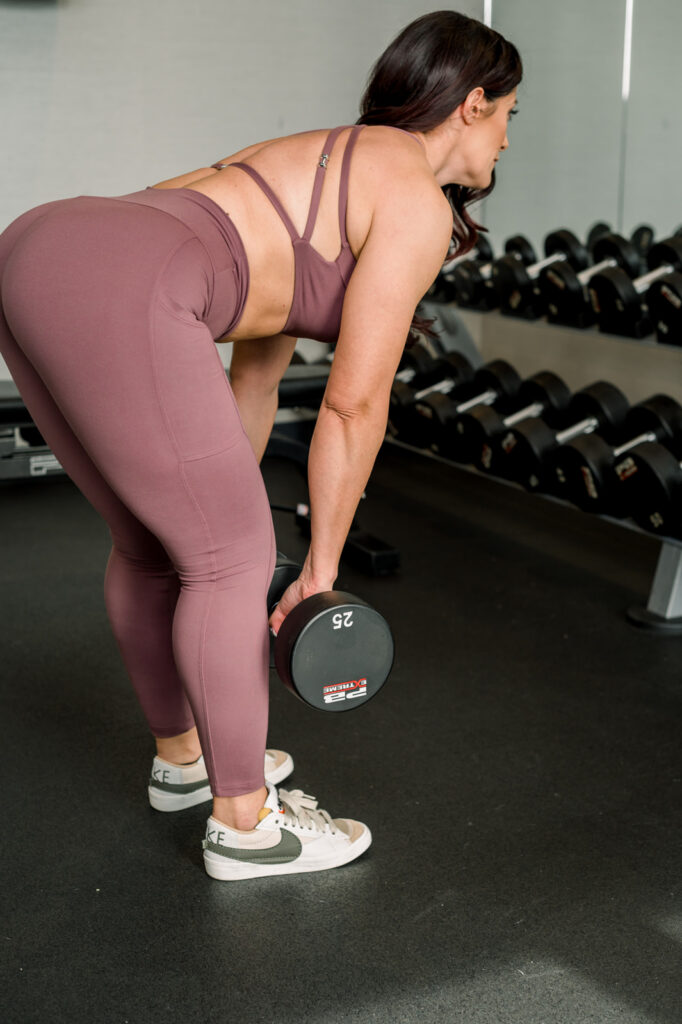
Romanian Deadlifts (Barbell or Dumbbell)
Hinge at the hips while lowering the weight down your legs, keeping a slight bend in your knees. Drive your hips forward to return to standing.
Seated or Lying Hamstring Curls
Use the machine to curl your heels toward your body, then slowly release. This isolates the hamstring muscles effectively.
Deadlifts (Conventional or Sumo)
Lift the bar from the ground by extending your hips and knees. The hamstring muscles play a major role in controlling and generating force.
Cable Pull-Throughs
Stand facing away from a cable machine and hinge forward at the hips. Drive your hips forward to stand tall, engaging the posterior chain.
Nordic Hamstring Curls
A more advanced exercise where you slowly lower your body forward from a kneeling position while resisting with your hamstrings.
Conclusion
The hamstring muscles are a vital component of lower body strength, movement control, and injury prevention. As a key part of the posterior chain, they work closely with the glutes and lower back to support efficient and powerful movement.
By understanding the role of the hamstring muscles and consistently training them with both home and gym exercises, you can improve performance, reduce injury risk, and create better balance throughout the body. Giving these muscles the attention they deserve is essential for long-term strength and mobility.