


Hip Abductors: Muscles, Function & Best Exercises
The hip abductors are an essential group of muscles that play a major role in lower-body strength, stability, and injury prevention. Whether you’re walking, running, squatting, or simply standing on one leg, your abductors are constantly working to keep your hips stable and your body moving efficiently.

Despite their importance, the abductors are often overlooked in many training programs. Weak or dysfunctional hip abductors can contribute to hip pain, knee issues, poor balance, and reduced athletic performance. Keep reading and we’ll explore what the abductors are, which muscles make up the hip abductor group, their primary functions, signs of weakness, and the best exercises to strengthen your abductors both at home and in the gym.
What are the abductors?
The abductors are a group of muscles located on the outer hip and upper thigh that move the leg away from the midline of the body. The term abduction literally means “to move away.”
When you lift your leg out to the side, step sideways, or stabilize your pelvis while walking, your hip abductor muscles are doing the work.
Beyond movement, these muscles play a critical role in pelvic stability, posture, and lower-body alignment, especially during single-leg activities such as walking, running, and climbing stairs.
Muscles That Make Up the Hip Abductors
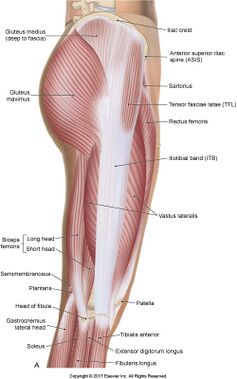
Several muscles contribute to hip abduction and lateral hip stability. The primary hip abductor muscles include:
Gluteus Medius
The gluteus medius is the most important hip abductor muscle. It sits on the outer surface of the pelvis and is responsible for lifting the leg out to the side and stabilizing the pelvis during walking or running.
This muscle is crucial for single-leg balance and preventing the hips from dropping when one foot is off the ground.
Gluteus Minimus
Located beneath the gluteus medius, the gluteus minimus assists with hip abduction and also helps with hip stabilization and internal rotation.
Although smaller, it plays an important supporting role in maintaining proper hip mechanics and joint stability.
Tensor Fasciae Latae (TFL)
The tensor fasciae latae is a small muscle located at the front-side of the hip. It assists the gluteus medius and minimus with hip abduction, stabilization, and controlling movement through the iliotibial (IT) band.
While the TFL helps with hip abduction, overreliance on this muscle can sometimes occur when the gluteus medius is weak.
Primary Functions of the Hip Abductors
The hip abductors perform several key functions that support daily movement and athletic performance.
1. Moving the Leg Away From the Body
The most obvious role of the abductors is hip abduction, which means moving the leg out to the side. This movement is used during activities such as side stepping, lateral lunges, and changing direction in sports.
2. Pelvic Stabilization
One of the most important functions of the hip abductors is keeping the pelvis level when standing on one leg. Every time you take a step while walking, your abductors stabilize the pelvis so it doesn’t drop toward the unsupported side.
3. Supporting Knee and Hip Alignment
Strong hip abductors help maintain proper alignment of the hips, knees, and ankles during movement. This reduces excessive inward knee collapse and improves overall lower-body mechanics.
What Hip Abductor Dysfunction Looks Like
Weak or poorly functioning abductors can lead to several recognizable movement patterns and symptoms.
Hip Drop During Walking or Running
When the abductors are weak, the pelvis may drop on the opposite side of the body during single-leg stance. This is commonly known as a Trendelenburg pattern.
Knee Collapse During Squats or Lunges
Another common sign of hip abductor weakness is knee valgus, where the knees cave inward during squats, lunges, or jumping movements.
Poor Balance and Stability
Because abductors help stabilize the pelvis, weakness can lead to difficulty balancing on one leg and decreased overall lower-body control.
Increased Risk of Injury
Weak abductors are associated with issues such as:
- Hip pain
- IT band irritation
- Knee pain
- Reduced running efficiency
Strengthening the abductors can help improve movement quality and injury resilience.
Best Home Exercises for Strengthening the Abductors
You don’t need a gym to effectively strengthen your hip abductor muscles. Several simple exercises can target these muscles at home.
Side-Lying Leg Raises
This classic exercise isolates the gluteus medius and is great for beginners.
How to perform:
- Lie on your side with legs stacked.
- Keep the top leg straight.
- Lift the leg toward the ceiling.
- Slowly lower it with control.
Focus on keeping the hips stacked rather than rolling backward.
Clamshells
Clamshells are excellent for activating the gluteus medius and minimus.
How to perform:
- Lie on your side with knees bent.
- Keep your feet together.
- Open the top knee while keeping the pelvis stable.
Adding a resistance band can increase difficulty.
Banded Lateral Walks
This exercise challenges the abductors while standing.
How to perform:
- Place a resistance band around the ankles or knees.
- Slightly bend the knees.
- Step sideways while maintaining tension on the band.
This movement strengthens the abductors while improving hip stability and control.
Lateral Lunges
Lateral lunges challenge the abductors dynamically while also strengthening the glutes and legs.
This exercise improves side-to-side strength and mobility, which is important for real-world movement.
Single-Leg Squats
Single-leg movements heavily recruit the hip stabilizers, including the abductors.
Maintaining knee alignment during the movement ensures the abductors are working properly.
Best Gym Exercises for Strengthening the Abductors
Gym equipment allows for progressive resistance and greater loading, which can help build stronger hip abductors.
Hip Abduction Machine
The seated hip abduction machine isolates the outer hips and allows controlled resistance.
Focus on slow, controlled repetitions rather than momentum.
Cable Hip Abduction
Using a cable machine allows you to train single-leg hip abduction with adjustable resistance.
Stand tall, brace your core, and move the leg slowly out to the side.
Conclusion
The hip abductors are essential muscles for lower-body strength, pelvic stability, and healthy movement mechanics. When functioning well, they help keep the hips level, support proper knee alignment, and improve balance and performance in everyday activities and exercise.
However, when the abductors are weak or dysfunctional, compensations can occur that lead to instability, poor movement patterns, and increased injury risk.
Incorporating targeted hip abductor exercises at home and in the gym can significantly improve strength, stability, and overall movement quality. By prioritizing these often-overlooked muscles, you can build a stronger and more resilient lower body.

